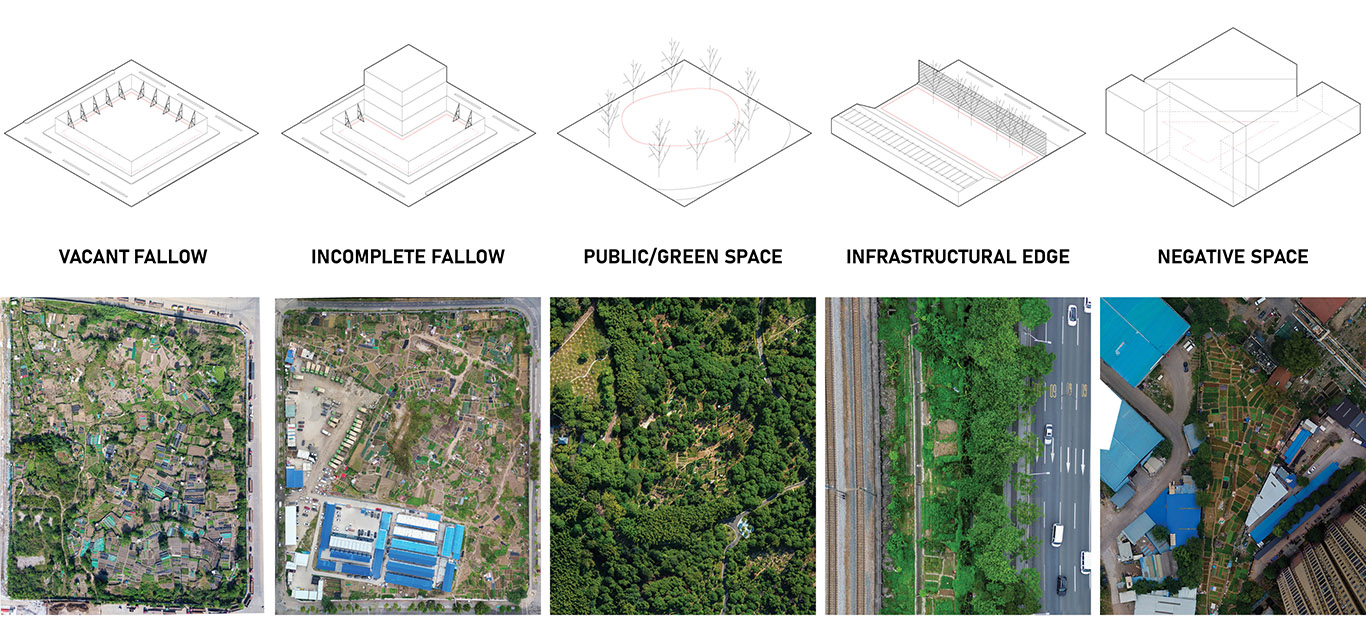
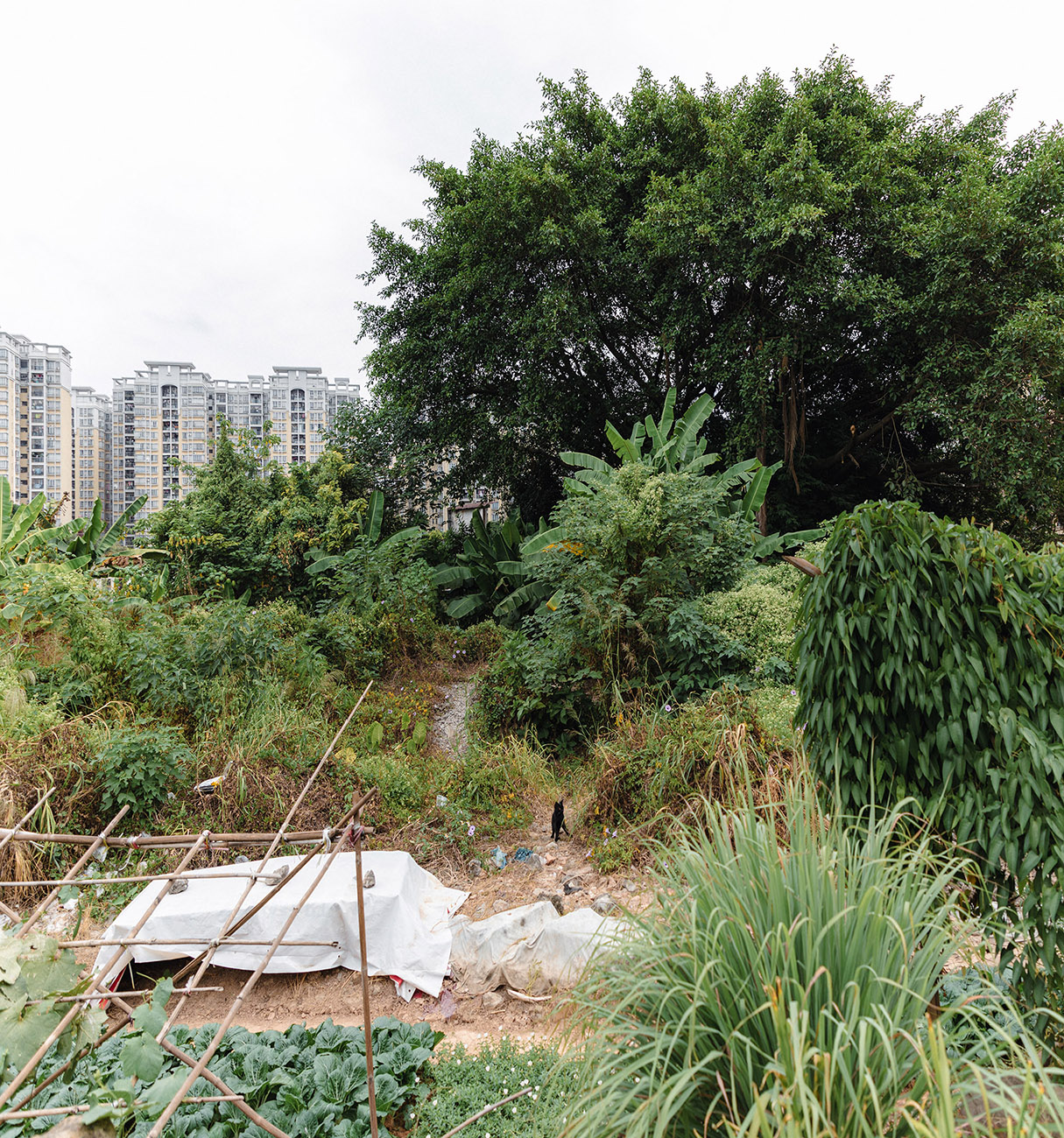
In two of China’s largest megacities, Guangzhou and Wuhan, apparently ordinary individuals are deciding – independently, without organization, support or legal rights – to appropriate empty lands and transform them into cultivation landscapes in a practice called kāihuāng (“wasteland opening”). While each individual kāihuāng may be small, mapping using remote sensing data reveals emergent patterns of ‘agrarianisation’ formed through hundreds of disparate yet convergent practices across the urban landscapes. Triangulating field observations and interviews across 120 sites of kāihuāng with historical research, institutional records and archival materials, this study develops a spatial typology of kāihuāng’s appropriations of urban landscapes and examines the agrarian logics they exercise. Through kāihuāng, the paper examines the continued agency of agrarian logics within contemporary urbanity and how they inform the accumulated actions of disparate individuals to engender legible spatial transformations outside of formal institutions.